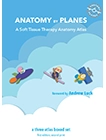

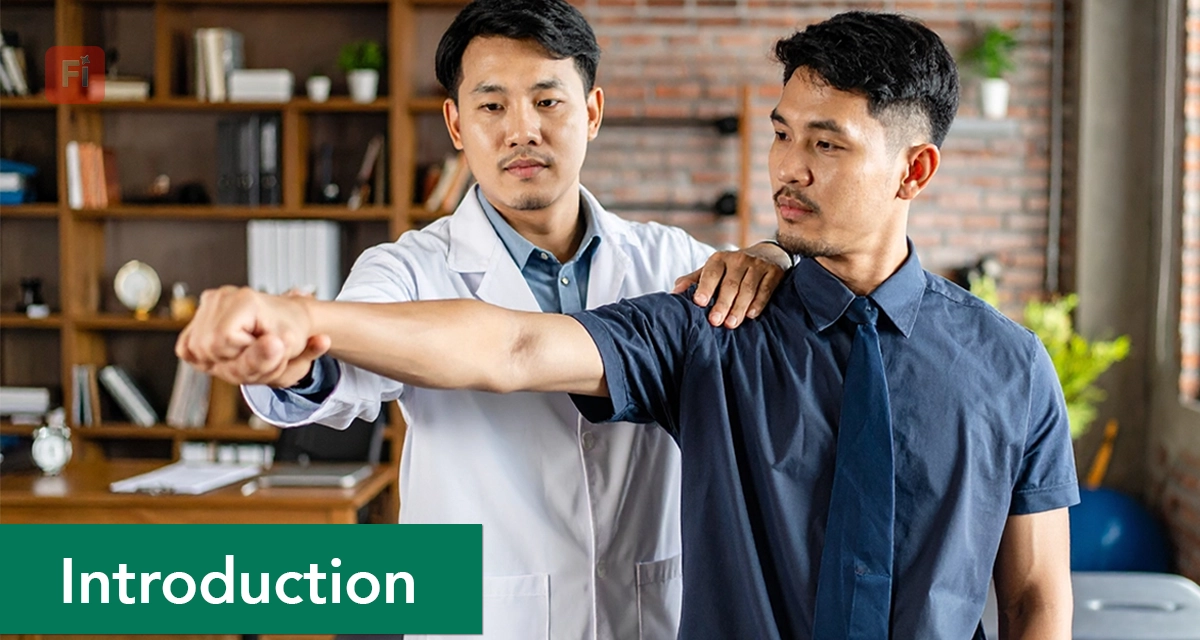
Please not that, I created "Anatomy by Planes" to help treat musculoskeletal pain exclusively. It is not made to treat injury or damage. Chapter 5 explains the basic use of the atlas. It does not include evaluation methods, treatment techniques, or exercises.
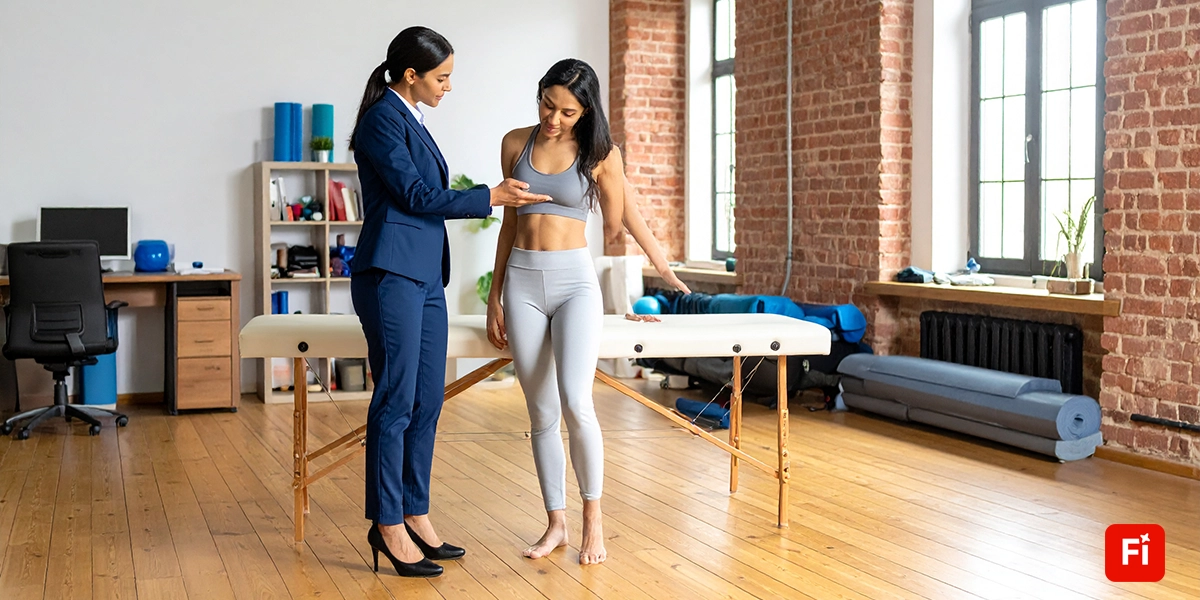
"Which motion is most painful?"
"Which motion is MOST painful?"
It is what I ask my clients. 1
I do because I know, when motion hurts, which complexes - which skin, muscles, and joints - to evaluate, quantify, treat, and exercise - and how, of course.
The atlas shows this knowledge in pictures. It’s a visual, soft tissue therapy reference guide and the (anatomical) foundation of "the way" I mentioned in the preface, the one I franchised, the one I use to help my clients beat their pain.
It's simple: if bending the knee is most painful, I evaluate, treat, and exercise the sagittal knee and its interlocking complexes. Similarly, if rotating the shoulder hurts, I examine the transverse shoulder and its connections. Each chapter's second page includes a list of complexes to look at when a movement hurts.
Every session, I ask the same question, more than once. It’s what gets the ball rolling, and it’s how I respond to change or lack thereof.
For example, if pain does not change despite my best efforts, worsens, lessens, moves to another complex and is provoked by a different motion, or otherwise morphs into what it was not. Repeating the question and asking if the feeling has changed helps me fine-tune and aim my work. It’s how I get the most out of my treatment sessions.
1 An answer, oftentimes, is not easy. Musculoskeletal pain, like any other kind of pain, is confusing and difficult to explain. Sharing which motion hurts is a process that requires a helping hand; honest, determined, but above all kind.

Muscle therapy alone is not enough to win a tug of war with musculoskeletal pain.
Early in my career, I learned that muscle therapy alone is not enough to win a tug of war with musculoskeletal pain. A multifaceted approach, coming at it in more than one way, works a whole lot better.

Combining exercises, joint, skin, and muscle therapies (aka soft tissue therapy) is much more effective.
I use skin, muscle, and joint therapies (all of them a form of massage) and exercises to come at a pain complaint from four different angles and through all eleven organ systems - some more than others.

Combining soft tissue therapy with other treatments and a healthy lifestyle gets even better results.
For even better results, I often collaborate with sports physicians, radiologists, orthopedic surgeons, nutritionists, mental health specialists, ortho-manual physicians, osteopaths, acupuncturists, athletic trainers, strength coaches, and other specialists. Over the years, I compiled a list of colleagues I trust to do their best.
I know it sounds oddly simple, but it really is all there’s to it.
Even better, it gets excellent results, and it is easy to copy and reproduce. You can do it too. I know because, for over a decade, I taught others like you. All my former franchisees and students run their own clinics, helping clients from around the world perform at the very top of their industry.